

Judas and the Ghost of BioShock: Can Ken Levine’s Next Game Break the Nemesis Curse?
Ken Levine’s Judas aims to revive the Nemesis system spirit, but can the BioShock creator actually deliver after a decade in the shadows?
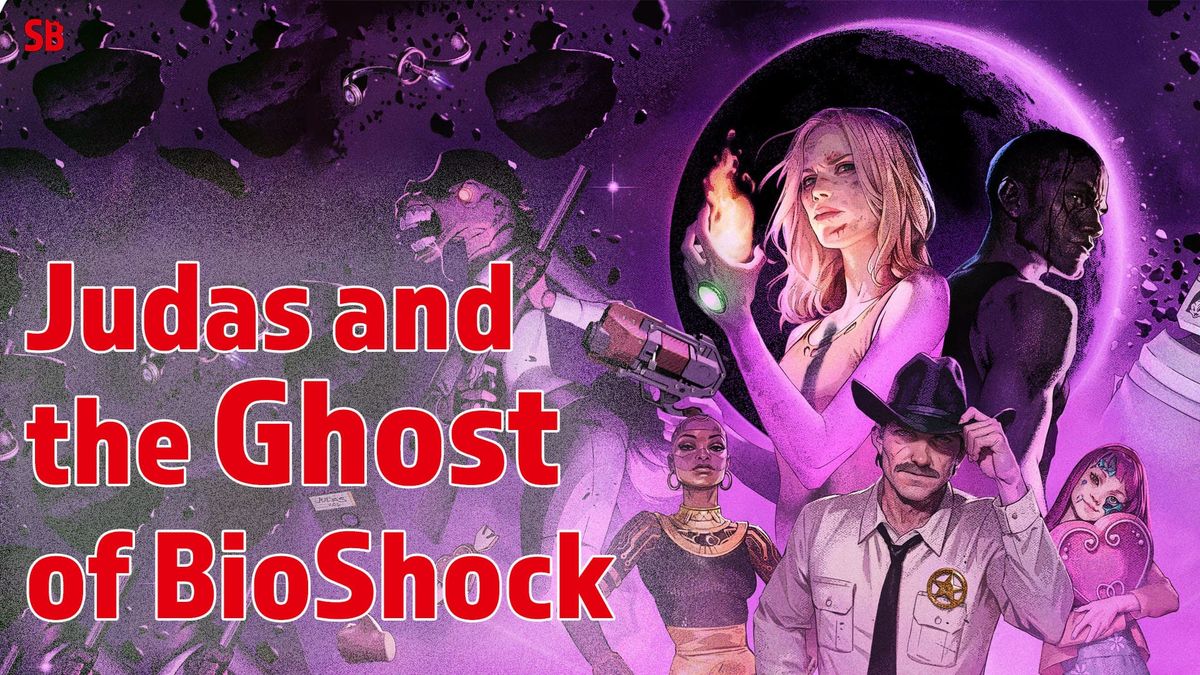
Ken Levine has been cooking something for damn near a decade. His new game, Judas, has been floating around since 2017 and we’ve basically seen squat. Every few years he pops up, waves his hand, and says “Hey, remember, Judas exists.” Cool. Thanks, Ken. Meanwhile, fans are still waiting on the next BioShock game that never seems to materialize, and Ghost Story Games is promising the kind of ambitious design that sounds amazing on paper but has burned more than a few developers alive.
So why are people suddenly buzzing again? Because Levine just dropped a comparison that perked everyone’s ears: the Nemesis system from Shadow of Mordor. Yep, that Nemesis system. The one everyone won’t shut up about. The one Warner Bros. locked behind a patent like a greedy dragon hoarding gold.
The Nemesis System: The Unicorn of Game Design
Let’s get real. The Nemesis system was genius. Enemies that remembered you. Orc captains who limped away scarred, came back stronger, mocked you for failing. It turned throwaway grunts into recurring villains. It made every fight part of a story only you experienced. Critics loved it. Fans assumed every open-world game would copy it.
But nope. WB patented the damn thing. Which means for ten years, every time someone suggests “Hey, wouldn’t this game be better with a Nemesis system?” the answer is “Yeah, but lawyers.” So instead of becoming the next big genre staple, the Nemesis system became a punchline. A what-could-have-been.
And honestly? We’re tired of moaning about it. We get it. WB locked it down. It sucks. But we need to move on. Which brings us back to Judas.
Judas’ Villainy System
Levine claims Judas has its own twist. Instead of one pre-written villain, the game dynamically decides who your big rival is based on your choices. There are three major characters circling you like sharks. They bribe you, save you, talk trash, share secrets. And eventually, one of them becomes your nemesis (lowercase n).
It’s not the patented Nemesis system, but it’s clearly taking notes. Lose one of these characters and Levine says it should feel like “losing a friend.” Which is ambitious, but also kind of funny, because most games struggle to make us care about NPCs at all.
On paper, it sounds incredible. In practice? This is Ken Levine we’re talking about. The guy has been promising choice-driven, narrative-bending systems since forever. And it has been over a decade since he actually shipped a game.
BioShock’s Shadow Still Looms
Let’s not forget, BioShock Infinite was the last thing he delivered, way back in 2013. And even that game’s legacy is complicated now. People loved Elizabeth at the time, but its “player choice” boiled down to fancy rails disguised as freedom.
After Infinite, Levine shut down Irrational, downsized the staff, and rebooted into Ghost Story Games. That was 2014. Since then? Radio silence, except for vague promises. Meanwhile, 2K has been trying and failing to build the next BioShock game without him. Development hell, constant staff turnover, multiple reboots. The franchise that defined a generation is basically stuck.
So, when Levine says Judas is going to do what even Shadow of Mordor couldn’t replicate, forgive us for being skeptical.
The Patent Problem
Here’s the thing: every time Judas comes up, the Nemesis debate comes up too. And yeah, it’s still absurd that one of the coolest mechanics in the last 20 years got legally padlocked. But sitting around moaning about it won’t make WB suddenly set it free. The patent runs until 2035. Unless Warner Bros. has a Scrooge-at-Christmas moment, the Nemesis system is dead in the water for now.
So maybe Judas doesn’t need to be the Nemesis system. Maybe it just needs to scratch that itch, to give us the kind of emergent rivalries we’ve been missing. If Levine can get anywhere close, it’s a win.
High Stakes, High Potential
Here’s where I land: Judas might be incredible, or it might totally implode. Both outcomes feel equally likely.
If it works, Judas could finally deliver a modern game that lets your enemies feel personal again, not just faceless bullet sponges. If it fails, it will be a decade-long reminder that ambition doesn’t equal execution. And honestly, if a game literally called Judas ends up betraying us, that’s the most fitting twist of all.
Last Quarter🪙
Levine wants Judas to prove that the BioShock next game worth watching isn’t whatever 2K is cooking up, but the one he’s secretly been building. He wants to revive the spirit of the Nemesis system without getting sued into oblivion. He wants to give us villains who feel like friends.
But here’s the truth: we’ve heard these promises before. Until Judas actually lands, all we’ve got is talk.
So yeah, maybe Judas is the savior of emergent storytelling. Or maybe it betrays us all. Either way, after ten years of waiting, we deserve to finally find out.
Comments ()