

Silent Hill’s Return: Revival, Cash Grab, or Something in Between?
Silent Hill is returning after more than a decade in the fog, with Konami pushing new games and a film. Is this a true revival for fans or just the most profitable horror gamble Konami could make?
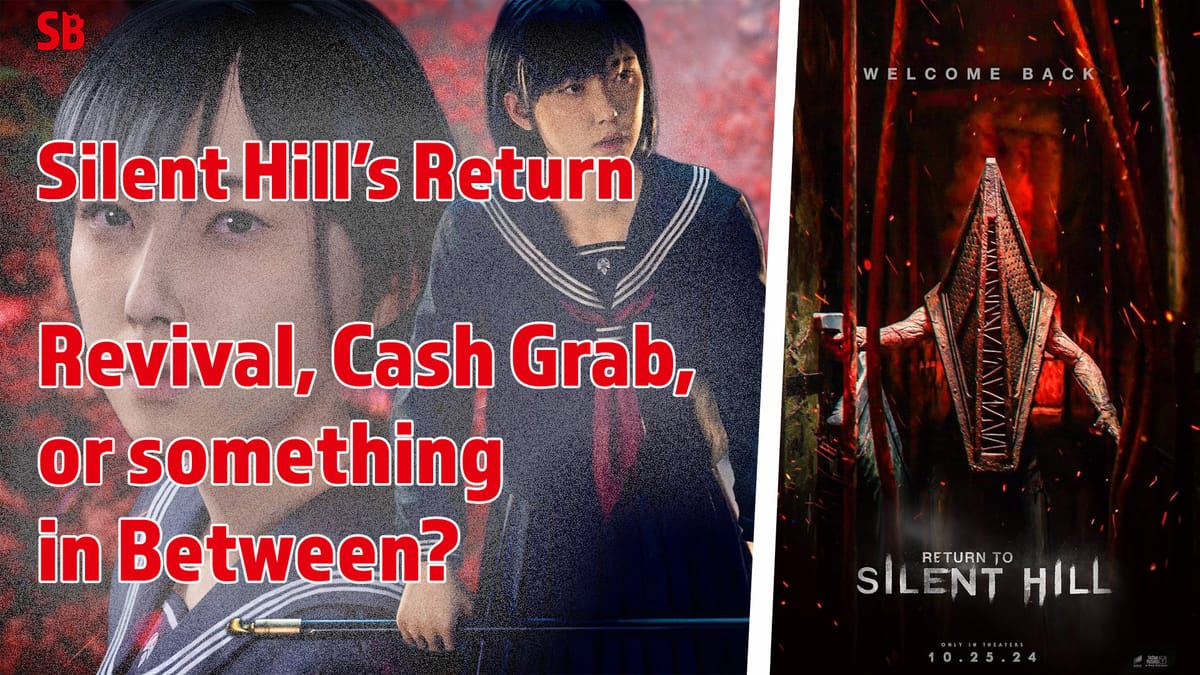
The Fog Lifts
Silent Hill has been dead for over a decade. The games flatlined creatively after Downpour, the last movie bombed, and Konami mostly abandoned ship while horror fans begged for scraps. The closest thing we got to a pulse was P.T., a canceled teaser that turned into a ghost story of its own.
Now, all of a sudden, it’s like the franchise got dropped in a Lazarus Pit. Behold, the resurrection! A new movie, Return to Silent Hill, is hitting theaters in January 2026. A brand-new game, Silent Hill f, drops this September. We already got the Silent Hill 2 Remake last year. There’s a Silent Hill 1 Remake on the way. Townfall is in production too.
After a decade of nothing, Silent Hill is suddenly everywhere.
The Horror Boom
Let’s be honest. This isn’t about artistry. It’s about timing. Horror is on fire right now.
Horror fans are insanely loyal. Nearly half of them are year-round diehards.
Studios love it because horror is cheap to make and makes ridiculous profits.
Prestige horror flipped the genre into something critics finally take seriously, with films like Get Out and Hereditary pulling in audiences who used to avoid scary movies.
Games are blowing up right alongside everything else. The horror market is on track to jump from $22 billion this year to over $90 billion by 2030. That’s not a trend line, that’s an explosion.
VR and AR are only pouring fuel on it, turning horror into something you don’t just watch. You feel it closing in around you. Meanwhile, indie studios keep punching above their weight with cheap, clever nightmares like Phasmophobia and Amnesia that hit harder than most bloated AAA budgets ever manage. And streaming? It’s pure gold. Watching a top streamer melt down in real time is the kind of content clip-farmers salivate over. Horror games don’t just sell. They perform.
This is the wave Konami is trying to ride. Horror is profitable, it’s mainstream, and it’s everywhere. Silent Hill has name recognition. Konami is trying to cash that check before the trend cools off.
Konami’s Financial High Ground
Here’s what makes the timing even clearer: Konami isn’t broke. They’re not rolling the dice out of desperation. They’re doing this because they’re flush. They have the high ground.
Konami just reported record-breaking profits. Their digital entertainment division is at all-time highs. Silent Hill 2 Remake sold well and reassured them that fans will still show up for this brand. Meanwhile, staples like Yu-Gi-Oh! and eFootball keep the money flowing.
So why push Silent Hill so hard right now? Because they can. They’ve got the cash to invest, horror is hot, and Silent Hill is the only horror IP in their vault that can play on both film and game stages.
The Movie: Return to Silent Hill
Here’s the pitch: Christophe Gans, who directed the 2006 Silent Hill movie, is back. He’s adapting Silent Hill 2. Jeremy Irvine plays James Sunderland, who gets a letter from his dead wife and returns to Silent Hill. Hannah Emily Anderson plays Mary. Pyramid Head is back. On paper, it sounds like a fan’s dream.
January release dates (when this thing is releasing) are where studios throw their trash. Nobody looks at a January slot and thinks “Wow, prestige project incoming.” They think “This thing is DOA but we already spent the marketing budget.”
Will it be faithful to Silent Hill 2? Probably more than the past films, but that doesn’t mean it’ll be good. And honestly, the movie doesn’t need to be good. It just needs to keep Silent Hill in the conversation long enough for the new games to launch. That’s its real job, whether we like it or not. And, honestly, that's the problem.
The Games: Remakes, f, and Beyond
This is where Konami is really testing the waters.
Silent Hill f is the risky one. It’s new. It’s supposed to appeal to younger players who want faster, more combat-driven horror. That’s a gamble. Silent Hill was never about action. It was about atmosphere, dread, and slow unraveling. If f swings too hard toward action, the core fanbase will turn on it.
Silent Hill 1 Remake and Townfall are also in the pipeline. Both have different studios attached, and Konami keeps saying each game will carry its “own flavor.” Translation: they’re outsourcing and seeing what sticks.
This shotgun approach makes sense if your goal is market coverage (clearly, it is). But it also risks brand confusion. Resident Evil thrived because Capcom steered the ship directly. Silent Hill is testing if handing the keys to multiple drivers can work.
Oversaturation or Opportunity?
Fans begged for more Silent Hill for years. Now it’s all hitting at once. That’s either a blessing or a curse.
Because here’s the thing: oversaturation kills mystique. Silent Hill worked because it was unsettling and strange. Too much too fast makes it ordinary.
If Silent Hill f misses the mark, fans won’t forgive it just because Townfall is coming. If the movie flops, it doesn’t just fade away, it actively hurts the brand. Konami is betting people want as much Silent Hill as possible.
The reality might be that fans wanted good Silent Hill, not constant Silent Hill.
Shelfbyte Take
This isn’t a gamble. It’s a spreadsheet strategy. Konami isn’t hoping Silent Hill saves them. They’re already printing money. They’re just cashing in on a genre that’s trending.
For Konami, it’s low risk. Horror is cheap to produce, games have a built-in fanbase, and even bad horror movies make money. For fans, the stakes are higher. If f strays too far from the legacy experience, then the revival doesn’t matter. If the movie is campy trash, it might get a hate-watch bump, but it’ll damage the brand long-term.
Last Quarter 🪙
So is this revival good for fans, bad for fans, or just business? It’s all three.
It’s good because Silent Hill is alive again. For anyone who dropped that first disc into a PlayStation, this is a chance to step back into the fog. Remakes and new stories mean you can feel that weight again: the silence of empty streets, the dread of a flashlight beam cutting through the mist, the sense that something is waiting just out of sight.
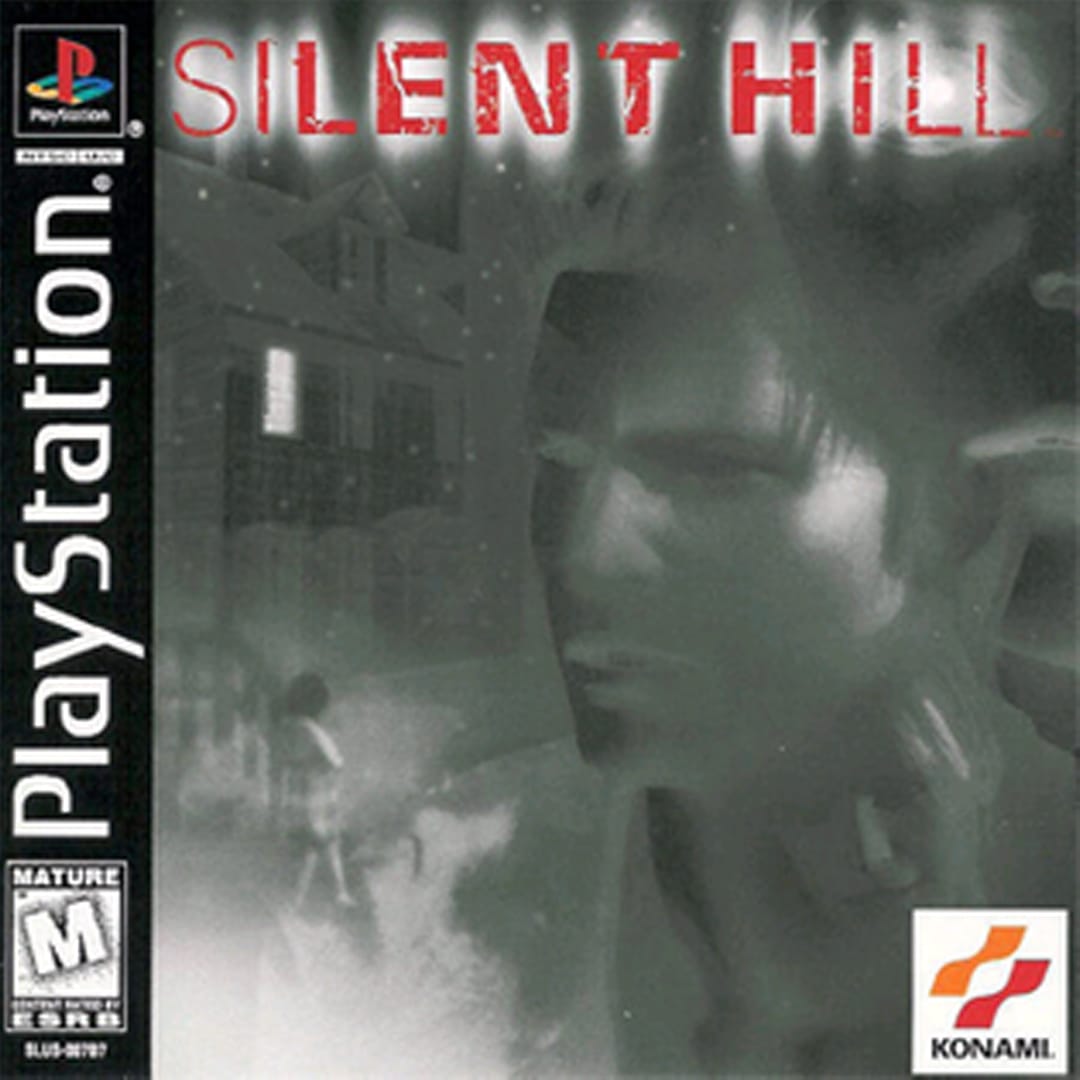
It’s bad because the more Konami floods the market, the more the mystery dies. The original game worked because of restraint. The fog wasn’t filler, it was fear. The town swallowed you whole because it was unknown. If Silent Hill is everywhere, all at once, it stops being special. Fans who grew up walking those suffocating Midwich hallways know what’s at risk.
And it’s business because Konami isn’t reviving Silent Hill out of passion. They’re reviving it because horror prints money. Silent Hill is the most valuable horror property they own, and they’re going to keep pressing until the fog burns off.
That’s the comeback. Fans will step back into the streets regardless, because that’s what we do. But whether they find the same dread that hooked them in ’99, or a diluted brand that feels manufactured, that’s the part Konami can’t control.

Comments ()